
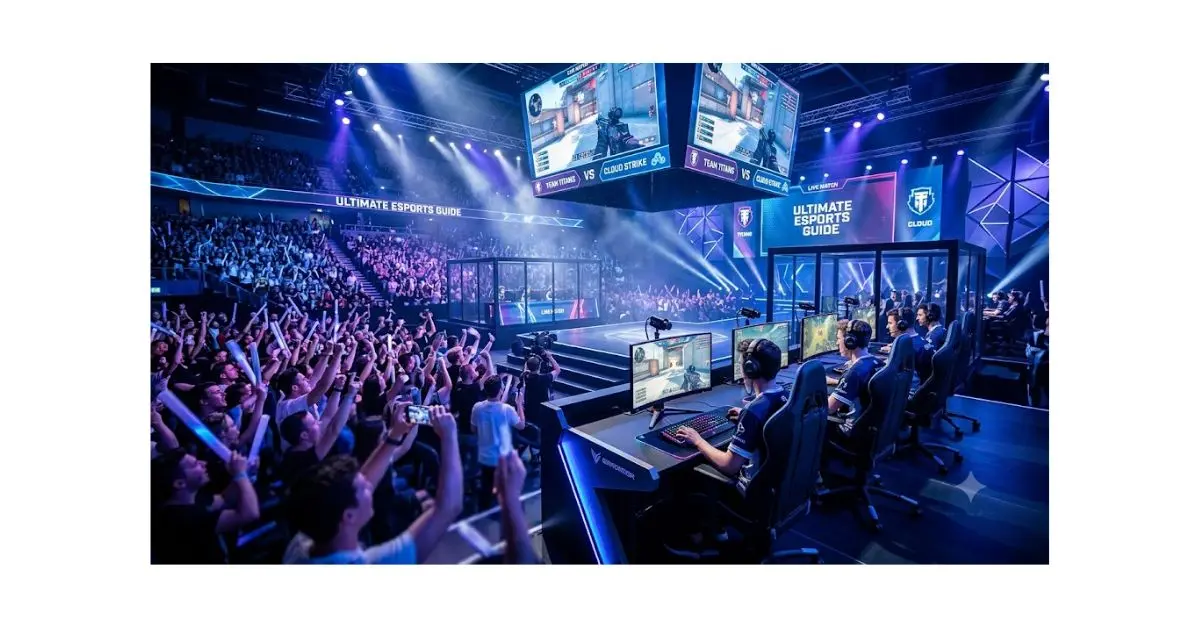
The world of gaming has transformed drastically over the last few years. It is no longer just a casual pastime or a way to kill time after school. Today, esports has become a massive global phenomenon where players compete at the highest levels for glory, recognition, and substantial cash prizes. If you want to stand out from the crowd and rank up, you must master advanced tips and tricks for competitive gaming. Moving from a casual player to a serious competitor requires a deep understanding of mechanics, strategy, mental discipline, and proper hardware configuration.
Many passionate players find themselves stuck in a specific rank for months. They play for hours daily but fail to notice any significant improvement in their overall performance. This common plateau happens because playing more does not automatically mean playing better. To break through your current limits, you need a structured approach to your gameplay. You must analyze your mistakes, optimize your hardware settings, learn how to manage stress under pressure, and understand the subtle nuances of your favorite games.
This comprehensive guide will walk you through the essential strategies required to elevate your performance. Whether you play tactical first-person shooters, fast-paced battle royales, or complex multiplayer online battle arenas, these principles apply across all competitive titles. By implementing these advanced methods, you will gain a massive competitive edge over your opponents and accelerate your journey toward the top of the leaderboards.
What is Competitive Gaming?
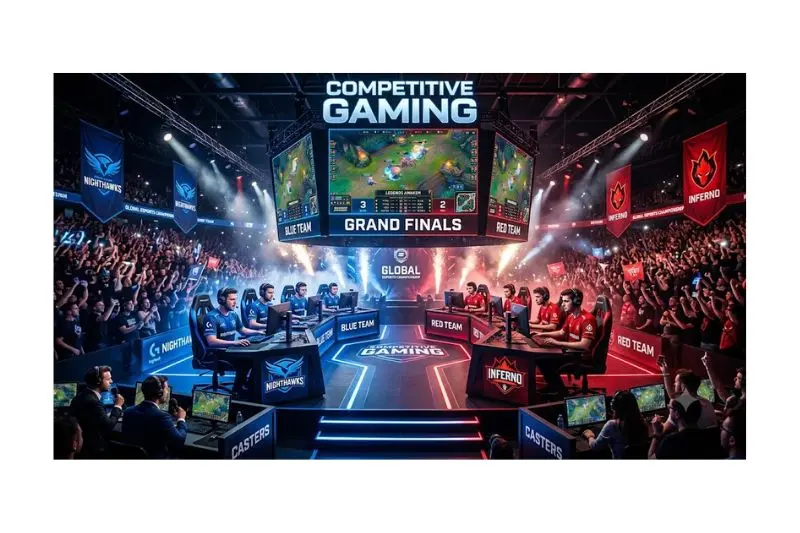
Competitive gaming, widely known as esports, refers to organized video game competitions where individuals or teams face off against each other. Unlike casual gaming where the primary objective is pure relaxation, esports focuses heavily on skill expression, strategic planning, team coordination, and winning. Players utilize highly specialized mechanics and deep game knowledge to outsmart and outmaneuver their opponents in real-time environments.
The competitive landscape spans multiple popular genres, including First-Person Shooters (FPS) like Valorant and Counter-Strike, Multiplayer Online Battle Arenas (MOBA) like League of Legends and Dota 2, and Fighting Games like Street Fighter. Each genre demands a unique set of skills, but they all share the same core element: a highly unforgiving environment where a single mistake can cost you the entire match. To succeed here, you must actively study the deeper layers of game design.
Why is Competitive Gaming Important?

Engaging in the esports scene offers massive benefits that extend far beyond the virtual world. On a personal level, it develops exceptional cognitive abilities, such as rapid decision-making, spatial awareness, and enhanced hand-eye coordination. When you learn advanced tips and tricks for competitive gaming, you train your brain to process visual information quickly and execute complex physical movements with extreme precision under immense pressure.
Furthermore, it teaches invaluable life skills like teamwork, effective communication, and emotional resilience. Working with a team to achieve a common goal forces you to manage conflicts, share constructive feedback, and support your peers during tough losses. Dealing with competitive pressure also builds a strong mindset, teaching you how to stay calm, analyze failures objectively, and treat every defeat as a valuable learning opportunity.
Detailed Step-by-Step Guide to Mastering Esports
Transitioning into a top-tier competitor requires a methodical approach to every single aspect of your gaming routine. You cannot rely on raw talent alone to climb the ranks. Follow this structured roadmap to transform your habits, optimize your setup, and sharpen your skills.
Step 1: Optimize Your Hardware and Software Settings
Your gaming equipment acts as an extension of your body, meaning bad configurations will actively hinder your mechanical skill. To play at your best, you must maximize your system performance to ensure smooth, uninterrupted gameplay.
- Maximize Frame Rates (FPS): Lower your in-game visual settings to achieve the highest possible frame rate. High frame rates reduce input lag and make animations look incredibly smooth, allowing you to react faster to sudden enemy movements.
- Configure Peripheral Refresh Rates: Ensure your gaming mouse is set to its maximum polling rate, typically 1000Hz or higher, to minimize tracking latency. If you own a high-refresh-rate monitor (144Hz, 240Hz, or 360Hz), double-check your display settings to confirm it is actually running at that target refresh rate.
- Disable Windows Mouse Acceleration: Turn off “Enhance pointer precision” in your control panel settings. This feature alters cursor speed based on how fast you move the mouse, which completely destroys your ability to build consistent, reliable muscle memory.
Step 2: Establish a Dedicated Aim Training Routine
Mechanical precision is the foundational baseline of success in shooting games. To hit your targets consistently, you cannot simply rely on playing ranked matches; you need targeted, repetitive practice to isolate and improve your aim mechanics.
- Utilize Aim Trainers: Spend 15 to 30 minutes daily in specialized software like Aimlabs or KovaaK’s before jumping into actual matches. Focus heavily on tracking smooth moving targets and flicking accurately to static dots without overshooting.
- Find Your Ideal Sensitivity: Avoid copying professional players’ mouse sensitivities blindly. Experiment with different Dots Per Inch (DPI) and in-game multipliers until you find a balance where you can comfortably track a moving target while still being able to turn around quickly.
- Isolate Micro-Adjustments: Practice making tiny, precise movements with your wrist and fingers. In high-level lobbies, opponents will actively avoid making large, predictable movements, making the ability to micro-adjust your crosshair to their heads absolutely vital.
Step 3: Master Positioning and Map Geometry
Where you stand on the virtual battlefield determines how easy it is for enemies to eliminate you. Understanding how to use the environment to your advantage will save your life far more often than raw aim speed ever could.
- Understand the Angle Advantage: In modern 3D games, the player who stands furthest away from a corner or wall will see the opponent first. Always position yourself further back from an obstruction when holding an angle to gain a vital visual advantage.
- Utilize High Ground: Whenever possible, secure elevated positions on the map. Fighting from the high ground grants you a superior field of view, makes headshots easier to land, and allows you to duck backward to break the enemy’s line of sight instantly if you take damage.
- Always Maintain Cover: Avoid running out into wide-open spaces without a clear plan. Train yourself to move intentionally from one piece of solid cover to the next, ensuring you always have a safe wall or object to hide behind when an unexpected engagement begins.
Step 4: Develop Deep Game Sense and VOD Review Habits
Game sense is the ability to read the match layout, predict enemy rotations, and make correct decisions based on incomplete information. The fastest way to build this skill is by studying your own matches.
- Record Your Gameplay: Use software like OBS or your GPU’s built-in recorder to capture your matches. Allocate time at the end of every week to watch your gameplay, focusing specifically on your deaths and lost rounds.
- Analyze Every Death Objectively: When reviewing your deaths, ask yourself specific questions. Was your crosshair placement poor? Did you push without your teammates? Did you waste your abilities too early? Identifying these recurring patterns prevents you from repeating the same mistakes.
- Track Enemy Resource Usage: Pay close attention to ultimate abilities, cooldowns, and financial economies in your matches. Knowing exactly when an enemy lacks their primary defensive or offensive tools allows your team to execute highly successful, aggressive pushes.
Step 5: Master Effective Communication Protocols
In team-based esports, clear and concise information sharing is just as important as individual mechanical skill. A chaotic, loud voice chat will actively distract your team and lead to preventable losses.
- Use Clear Callouts: Memorize the specific names of locations on every single map in the competitive pool. When sharing information, state the enemy’s precise location, their health status, and their direction of movement clearly.
- Keep Communication Concise: Avoid cluttering the voice channel with complaints or expressions of frustration after dying. Deliver a quick, accurate callout regarding who eliminated you and where they are going, then immediately clear the mic so your living teammates can hear in-game audio cues.
- Coordinate Utility and Abilities: Before initiating an attack or setup, talk to your teammates to combine your abilities. Standardize your plays by explicitly stating when you are flashing an angle, throwing a smoke grenade, or initiating a team fight.
Benefits of Advanced Tips and Tricks for Competitive Gaming
Implementing professional methodologies completely alters your trajectory as a player, providing a massive array of competitive and personal advantages.
- Rapid Rank Progression: By focusing on deliberate practice instead of mindlessly grinding matches, you will break through frustrating rank plateaus much faster.
- Consistent In-Game Performance: Developing solid muscle memory and high game sense ensures you perform exceptionally well even on days when your raw reaction speed feels slightly off.
- Enhanced Mental Discipline: Learning how to control your emotions during intense, high-stakes matches builds strong psychological resilience that transfers directly into real-world challenges.
- Superior Team Coordination: Mastering clean communication systems allows you to lead random teammates effectively, turning chaotic uncoordinated lobbies into structured, winning units.
- Reduced Physical Strain: Utilizing proper posture, optimized ergonomics, and structured rest breaks protects your wrists, neck, and back from long-term repetitive strain injuries.
Disadvantages and Risks of Competitive Gaming
While the journey to the top is incredibly rewarding, entering the high-level esports scene without proper boundaries can introduce significant physical and psychological challenges.
- Severe Mental Burnout: Playing the exact same game for hours on end with an intense focus on winning can quickly drain your mental energy, turning a fun hobby into a stressful chore.
- Physical Repetitive Strain Injuries: Extended gaming sessions without stretching can cause carpal tunnel syndrome, tendonitis, and severe eye strain.
- Toxic Social Environments: High-ranking competitive lobbies frequently attract highly stressed, aggressive players who use toxic language and ruin the match experience.
- Imbalanced Lifestyle Choices: Without a strict schedule, it is incredibly easy to sacrifice healthy sleep patterns, proper nutrition, physical exercise, and real-life relationships for virtual rank points.
Common Mistakes to Avoid
To ensure your practice time yields maximum results, you must identify and eliminate bad habits that actively stunt your mechanical and strategic growth.
Playing While Tilted and Annoyed
“Tilt” is a state of emotional frustration that completely clouds your judgment, leading to impulsive decisions and highly aggressive, reckless gameplay. When you lose a couple of matches in a row or encounter a toxic teammate, step away from the computer immediately. Forcing yourself to keep playing while angry guarantees a downward spiral of performance and a major loss of rank points.
Blaming Teammates for Every Defeat
It is incredibly easy to look at your teammates’ scores and blame them entirely for a lost match. However, this mindset completely stalls your personal growth. You cannot control how your random teammates play, but you have absolute control over your own actions. Focus exclusively on what you could have done better in each situation, even during matches that felt completely unwinnable from the start.
Neglecting Crosshair Placement
Many intermediate FPS players run around maps with their crosshairs pointing directly at the floor or at random walls. This bad habit requires you to make massive, difficult adjustments whenever an enemy suddenly appears on your screen. Force yourself to keep your crosshair fixed at head height where an enemy is most likely to emerge, significantly reducing the physical distance your mouse needs to travel to secure a clean elimination.
FAQs
How many hours should I practice daily to improve?
Quality of practice always beats pure quantity. Spending two hours daily doing highly focused aim training, reviewing your match recordings, and playing deliberate ranked matches is infinitely better than mindlessly grinding eight hours of chaotic casual matches. Ensure your practice sessions are highly structured and completely free from outside distractions.
What is the best way to overcome a long rank plateau?
When you find yourself stuck in a specific rank for weeks, it means your current habits have successfully gotten you to this level, but they are not refined enough to push you higher. To break through, you must completely change your routine. Dedicate a few days entirely to watching your match recordings, identify your two biggest recurring mistakes, and spend your next gaming sessions focusing solely on fixing those specific habits.
Does upgrading to an expensive 240Hz monitor actually make you better?
A high-refresh-rate monitor will not magically grant you superior strategic game sense, but it does remove physical barriers to your mechanical skill. A 240Hz screen displays visual information far faster and smoother than a standard 60Hz display. This reduction in visual latency allows you to track fast-moving targets with much greater precision and react to split-second corner peeks faster.
How do I handle toxic teammates in ranked lobbies?
The absolute best tool at your disposal is the mute button. Do not waste your valuable mental energy arguing with aggressive or toxic individuals in voice chat, as this completely ruins your focus. Give them one chance to provide useful callouts, and if they continue to behave disruptively, mute their audio and text channels immediately so you can refocus on winning the match.
Why does my aim feel amazing in practice but terrible in real matches?
This performance gap is almost always caused by nervous tension and poor crosshair placement. In practice modes, you are completely relaxed and your targets do not fire back. In a real match, pressure makes your hand muscles tense up, which ruins your smooth tracking. Focus on maintaining a relaxed, light grip on your mouse during matches and rely heavily on solid head-height crosshair placement so you do not have to make frantic panic flicks.
How do I stop panicking during intense clutch situations?
Panicking occurs because your brain views the high-stakes situation as a major threat. To overcome this, you need to normalize these intense scenarios through repeated exposure. Actively put yourself in clutch situations during practice, focus on taking deep, controlled breaths, and remind yourself that a mistake in a video game has zero real-world consequences. Over time, your body’s adrenaline spike will diminish, allowing you to think clearly.
Expert Tips and Bonus Points
To truly separate yourself from the average player base, implement these elite strategies used by professional esports athletes to maximize their performance.
- Incorporate the 20-20-20 Rule: To prevent severe eye fatigue and maintain sharp visual focus during long sessions, look at an object 20 feet away for at least 20 seconds every 20 minutes.
- Warm Up Physical Hands: Cold hands significantly reduce finger dexterity and slow down your reaction speeds. Run warm water over your hands and wrists for a few minutes before starting your daily training routine to loosen up your muscles.
- Track Patterns visually: High-level opponents are creatures of habit. Pay close attention to what your enemies do during the first three rounds of a match. Do they always push the same side? Do they use their abilities at the exact same time? Capitalize on these predictable routines to secure easy counter-plays.
- Perfect Your Posture: Sit up straight with your feet flat on the floor, and adjust your chair height so your elbows rest comfortably at a 90-degree angle relative to your desk. This ergonomic setup maximizes your physical range of motion and prevents long-term joint pain.
Conclusion
Mastering advanced tips and tricks for competitive gaming is a long, demanding journey that requires immense patience, deliberate effort, and a highly disciplined mindset. There are absolutely no shortcuts to becoming an elite player overnight. You must be willing to dismantle your current bad habits, step far outside your comfort zone, and look at your own mistakes with absolute honesty during your video reviews.
By taking care of your physical health, optimizing your hardware settings, breaking down your gameplay analytically, and maintaining a positive, growth-oriented attitude, you will easily outpace the vast majority of players who rely solely on casual playtime. Remember that every single professional player started exactly where you are standing right now. Stay consistent, trust your structured training routine, and enjoy the incredibly rewarding process of unlocking your true competitive potential on the virtual battlefield.
